

Ensure passenger security by verifying the vehicle's license plate, make, and model match the app details before entering. These essential rideshare safety tips also suggest sitting in the back seat to maintain personal space and sharing your live trip status with friends or family. Always confirm the driver's identity and stay alert until you reach your destination.
Navigating the streets of Trinidad and Tobago demands a level of vigilance that traditional transportation often lacks. For many passengers, the simple act of hailing a ride is shadowed by concerns about security and vehicle legitimacy. At IERE RIDE, we understand that true mobility is defined by the confidence you feel from the moment you request a car to the second you arrive at your destination. This guide serves as your definitive manual for secure travel within our local landscape. We will explore the five non-negotiable steps to take before entering any vehicle; we will also examine why app-based verification offers a superior shield compared to traditional roadside hailing. From specialized protocols for solo female travelers to the specific nuances of navigating Tobago, you will learn how to leverage modern safety features to ensure every journey is as secure as it is seamless.
Navigating Mobility Safely in the Caribbean Landscape

Movement in Trinidad and Tobago has historically relied on a complex network of route taxis, Maxi Taxis, and the ubiquitous, albeit unofficial, "PH" cars. While these modes have moved the nation for decades, they often lack the digital footprint necessary for modern security. The arrival of app-based transport has modernized this landscape, offering a convenient way to book a ride in Trinidad, but it has also introduced new considerations for personal security.
Navigating the streets after a late-night lime on Ariapita Avenue or catching a pre-dawn flight from Piarco International Airport requires more than just a functional vehicle; it requires a documented guarantee of safety. Local travelers face unique challenges, such as identifying legitimate drivers in poorly lit areas or ensuring a vehicle is actually vetted for professional service. Technology serves as a powerful tool for convenience, yet passenger vigilance remains the primary defense.
Understanding specific rideshare safety tips is essential for anyone navigating the twin islands. IERE RIDE was developed as a homegrown response to these local nuances. By integrating advanced safety features tailored specifically to the Caribbean environment, the platform moves beyond simple GPS tracking to provide a premium, secure mobility experience designed for the specific needs of Trinbagonian commuters.
The Before You Get In Checklist: 5 Non Negotiable Steps
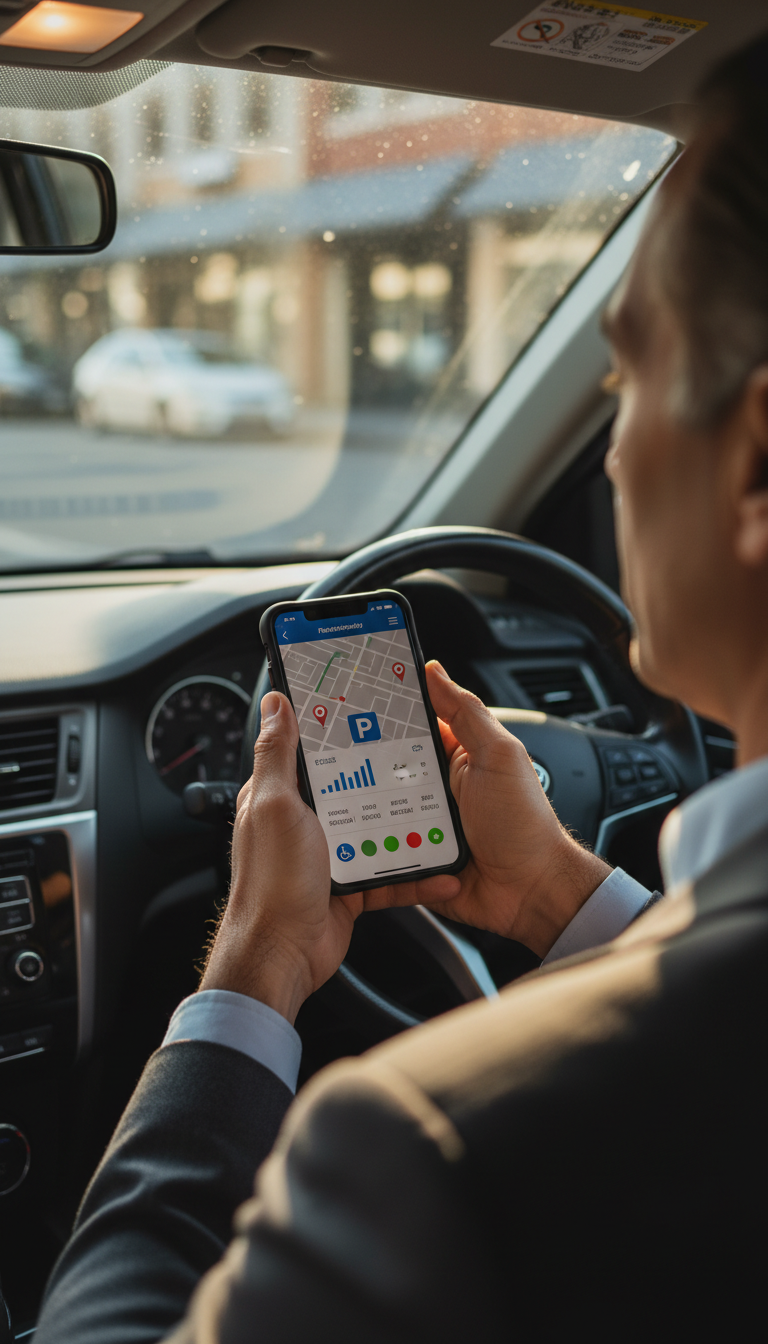
While the convenience of booking a ride in Trinidad has increased, the few seconds before you open a vehicle door are the most critical for your security. Establishing a rigid verification routine ensures that you are entering a professional environment rather than a lookalike vehicle. This protocol must be completed before you hand over any luggage or place bags in the trunk, as maintaining control over your belongings gives you the freedom to walk away if something feels off.
Match the License Plate: In Trinidad and Tobago, vehicle registration is the single most reliable identifier. License plates are harder to forge or swap than a simple window sticker. Ensure the alphanumeric sequence on the car exactly matches what is displayed in your app.
Verify the Driver: IERE RIDE utilizes a rigorous vetting process through our Driver Safety Academy, but you must still perform a visual confirmation. Compare the in-app profile photo with the individual behind the wheel. Look for clear similarities in facial features rather than just general appearance.
Ask 'What's my name?': Avoid volunteering your identity by asking "Are you picking up [Name]?" Instead, wait for the driver to greet you or ask them who they are scheduled to collect. A legitimate driver will have your name immediately available on their driver-side dashboard.
Check Vehicle Make and Color: If the app specifies a silver Toyota Corolla, do not accept a white one, even if the driver claims their other car is in the shop. Consistency is a hallmark of advanced safety features and professional accountability. These rideshare safety tips rely on the principle that a professional service never deviates from documented details.
Inspect Door Handles and Child Locks: Before sitting down, quickly check that the interior door handle is functional and the child lock is not engaged. You must be able to exit the vehicle at your own discretion without the driver's intervention. Establishing this exit strategy is as important as the book a ride in Trinidad process itself.
Safety Features Worth Trusting: The IERE Shield and Beyond
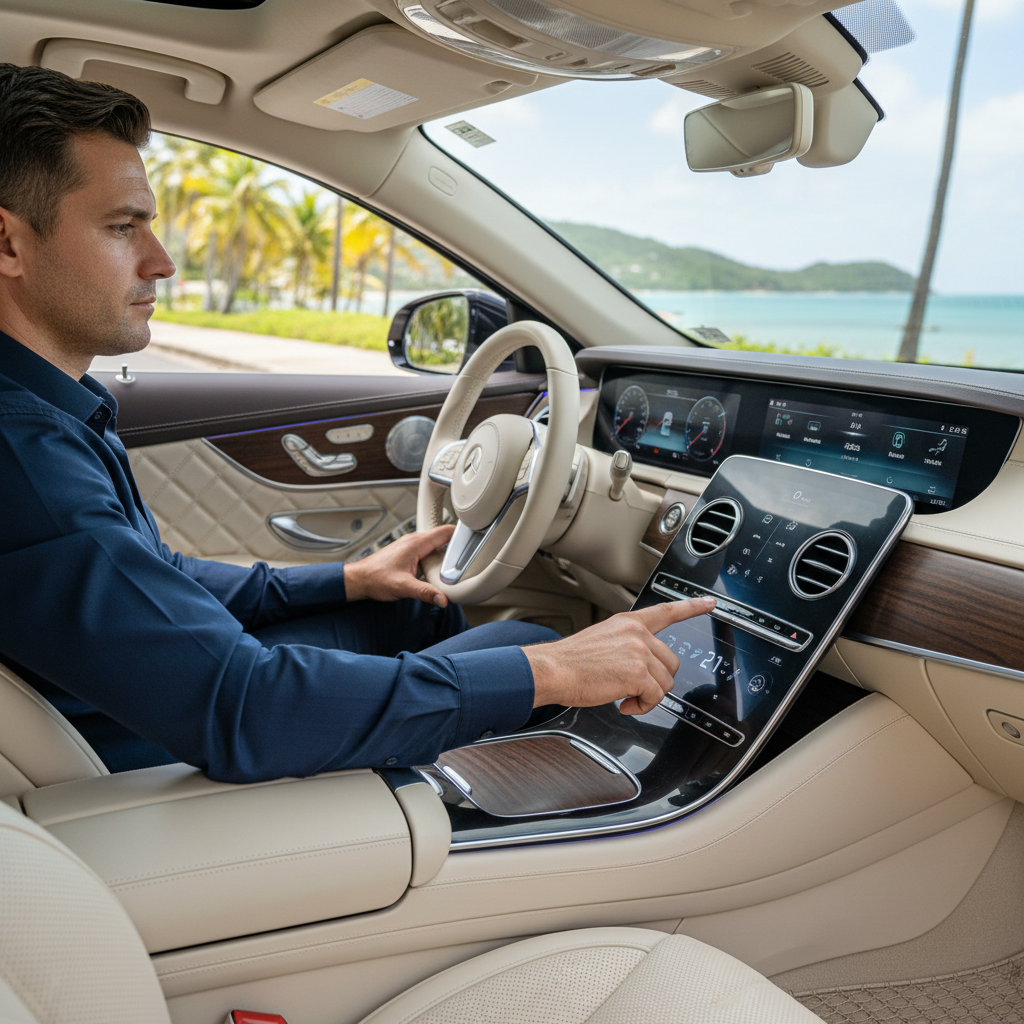
The manual verification checklist provides the first line of defense, but the digital infrastructure running in the background serves as a persistent safety net. Relying on basic GPS tracking is no longer sufficient in the modern Caribbean mobility landscape. True security requires active oversight, which is why the platform integrates advanced safety features designed to monitor every kilometer of the journey.
The IERE Shield functions as a sophisticated real-time monitoring system. Unlike passive maps that simply show a dot on a screen, this system uses telemetry to analyze trip progress. If a vehicle deviates significantly from the optimized route or remains stationary for an unexplained period, the platform identifies the anomaly. This proactive approach ensures that every movement is accounted for, providing a documented layer of protection that acts as a deterrent against unauthorized stops or route changes.
Safety also involves the psychological environment inside the vehicle. In traditional transport, price haggling is a common source of friction that can escalate into uncomfortable or unsafe confrontations. By providing transparent fare estimates before a user chooses to book a ride in Trinidad, the platform removes financial ambiguity. Eliminating the need for roadside negotiations allows both parties to maintain professional boundaries throughout the commute.
Ultimately, the most critical safety feature is the driver. By allowing drivers to retain 90% of their earnings, the platform attracts high-tier professionals who view mobility as a career rather than a side gig. This economic model leads to lower turnover and higher standards of vetting within the Driver Safety Academy. These rideshare safety tips are most effective when supported by a driver who is financially invested in maintaining a flawless safety record and providing a premium experience.
The Ride Handshake: A New Standard for Verification
The physical inspection of a vehicle provides a baseline of security, but the transition from the sidewalk to the passenger seat requires a definitive technical seal. The Ride Handshake is a proprietary digital verification process that mandates a secure exchange between the passenger’s device and the driver’s interface before the ride can officially commence. This system provides a tech-validated confirmation, ensuring that the individual behind the wheel is the specific professional vetted by the Driver Safety Academy.
It directly addresses the common concern of how to distinguish a legitimate service from a lookalike vehicle in high-traffic areas like the Piarco pickup zone or outside busy malls. By integrating these advanced safety features, the platform removes the guesswork associated with roadside identification. This digital handshake acts as an electronic key; the trip log does not activate until the proximity-based or code-based verification is complete. Implementing such rideshare safety tips ensures that every time you book a ride in Trinidad, you are entering a space that has been mathematically proven to be the correct, authorized vehicle for your specific journey.
Is Ridesharing Safe for Solo Female Travelers in T&T?
Solo female travelers in Trinidad and Tobago often face heightened anxiety when navigating nightlife or late-shift commutes. While the Ride Handshake secures the start of the journey, specific behavioral rideshare safety tips further empower female passengers during the trip. Choose the rear seat, specifically the spot behind the front passenger seat. This diagonal position provides a clear view of the driver’s movements and the rearview mirror while maintaining maximum personal space.
Keep your smartphone in your hand throughout the journey rather than tucked away in a handbag. Every time you book a ride in Trinidad, use the Share Trip feature to send live location updates to a trusted contact. This ensures someone else is virtually monitoring your progress in real time.
Platform standards play a significant role in solo safety. IERE RIDE prioritizes a premium environment where vehicle interiors are well-lit and maintained to ensure high visibility. Drivers undergo specialized training through the Driver Safety Academy, focusing on professional conduct and passenger boundaries. By combining these advanced safety features with proactive personal habits, solo travelers can maintain a high level of security across the twin islands, even during late-night transfers.
Why App Verification Beats Traditional Roadside Hailing
Traditional roadside hailing in Trinidad and Tobago carries an inherent risk because it lacks a digital audit trail. When you enter a "PH" car or an unmarked taxi, the transaction remains anonymous; there is no record of the driver’s identity, the vehicle’s insurance status, or the intended route. This absence of accountability is the primary vulnerability of street hailing. In contrast, using a dedicated platform ensures every journey is logged, fully insured, and monitored via GPS from start to finish.
A common suggestion on local forums like Reddit is to find a single reliable driver for regular commutes. While well intentioned, this manual approach is limited by the driver’s availability and personal schedule. IERE RIDE digitizes this concept of reliability. By requiring every operator to graduate from the Driver Safety Academy, the platform standardizes professional conduct and vehicle quality across an entire fleet. These advanced safety features replace the guesswork of the street with a data-driven guarantee. When you book a ride in Trinidad, you are not just hiring a car; you are accessing a secure ecosystem where every kilometer is documented. These rideshare safety tips emphasize that digital verification provides a level of forensic security that physical hailing simply cannot replicate.
Rideshare Safety in Tobago: What You Need to Know
Premium mobility standards extend across the Gulf of Paria to the sister isle, ensuring consistent protection for every traveler. Navigating from ANR Robinson International Airport to the beaches of Crown Point or the surf at Mt. Irvine requires the same level of scrutiny as any trip in Port of Spain. IERE RIDE maintains identical protocols regardless of the island; every driver operating in Tobago must graduate from the Driver Safety Academy. This means the advanced safety features you rely on in Trinidad remain fully active during your island retreat.
Even in a relaxed vacation environment, travelers should prioritize essential rideshare safety tips like the Ride Handshake. The digital audit trail and real-time monitoring do not change based on geography. Before you book a ride in Trinidad or Tobago, remember that a professional service provides the same rigorous verification process to ensure your security never takes a holiday.
Staying safe while using rideshare services in Trinidad and Tobago starts with awareness and proactive planning. By following these essential checklist steps, you can navigate local roads with greater confidence and security. While staying alert is your first line of defense, sometimes you might want expert help to ensure every journey is managed with care. If you are looking for a service that prioritizes your well-being, you can learn more about our commitment to Safety on every trip. Let us handle the details so you can enjoy the journey.